

Af Andreas Ladegaard Madsen, Bachelor i idrætsvidenskab, AU
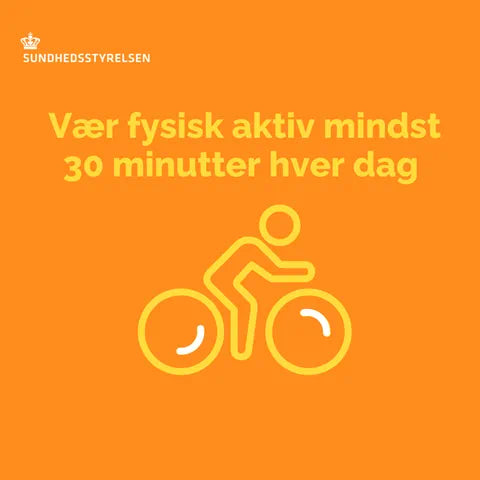
Sundhedsstyrelsen anbefaler, at alle voksne udfører minimum 30 minutters fysisk aktivitet om dagen for at opretholde en sund livsstil. Denne anbefaling er baseret på omfattende videnskabelig forskning, der understøtter de mange sundhedsmæssige fordele ved fysisk aktivitet. I dette blogindlæg vil vi udforske, hvorfor denne anbefaling er så vigtig, og hvordan fysisk aktivitet kan forbedre både din fysiske og mentale sundhed.
1. Fysisk Aktivitet Forebygger Kroniske Sygdomme
En af de mest veldokumenterede fordele ved regelmæssig fysisk aktivitet er dens evne til at forebygge og reducere risikoen for kroniske sygdomme. Forskning viser, at personer, der er fysisk aktive, har en markant lavere risiko for at udvikle sygdomme som:
-
Hjerte-kar-sygdomme: Regelmæssig motion styrker hjertet og kredsløbet, reducerer blodtrykket og forbedrer kolesterolniveauerne. Aktivitet som gang, løb eller cykling har vist sig at mindske risikoen for hjertesygdomme med op til 30% (Warburton et al., 2006).
-
Type 2 diabetes: Fysisk aktivitet hjælper med at regulere blodsukkeret og forbedre insulinfølsomheden. Ved at være aktiv mindsker du risikoen for at udvikle type 2 diabetes betydeligt, da træning hjælper kroppen med at bruge glukose effektivt.
-
Kraftig overvægt og fedme: Fysisk aktivitet hjælper med at forbrænde kalorier, hvilket er essentielt for vægtregulering. Når du kombinerer fysisk aktivitet med en sund kost, kan det føre til vægttab eller vedligeholdelse af en sund vægt, hvilket mindsker risikoen for fedme-relaterede sygdomme.
-
Visse former for kræft: Fysisk aktivitet er forbundet med en lavere risiko for flere kræftformer, herunder bryst-, tyktarms- og livmoderkræft. Ifølge en omfattende gennemgang af videnskabelige studier (Friedenreich et al., 2016) kan regelmæssig motion nedsætte risikoen for visse kræftformer med op til 20-30%.
2. Forbedring af Mental Sundhed
Udover de fysiske fordele er der også betydelige mentale sundhedsfordele ved at være fysisk aktiv. Fysisk aktivitet er en velkendt metode til at forbedre humøret og reducere stress, angst og depression.
-
Stressreduktion: Motion kan hjælpe med at reducere stressniveauet, da det medfører en stigning i produktionen af endorfiner, kroppens naturlige "feel-good" hormoner. Dette kan medvirke til at lindre symptomerne på stress og give en følelse af velvære.
-
Bedre søvn: Regelmæssig fysisk aktivitet er forbundet med bedre søvnkvalitet. Det hjælper med at regulere kroppens døgnrytme og forbedre evnen til at falde i søvn og få en dyb, restituerende søvn.
-
Reduceret risiko for depression: Motion har en positiv effekt på hjernens kemi, hvilket kan hjælpe med at reducere symptomer på depression. Ifølge en meta-analyse af undersøgelser er fysisk aktivitet en effektiv behandlingsmetode for mild til moderat depression (Cuijpers et al., 2016).
3. Forbedring Af Muskelstyrke og Knoernes Sundhed
Sundhedsstyrelsens anbefaling om 30 minutters fysisk aktivitet om dagen understøtter også styrkelse af muskler og knogler. For at undgå tab af muskelmasse og opretholde knoglesundhed er det vigtigt at være fysisk aktiv.
-
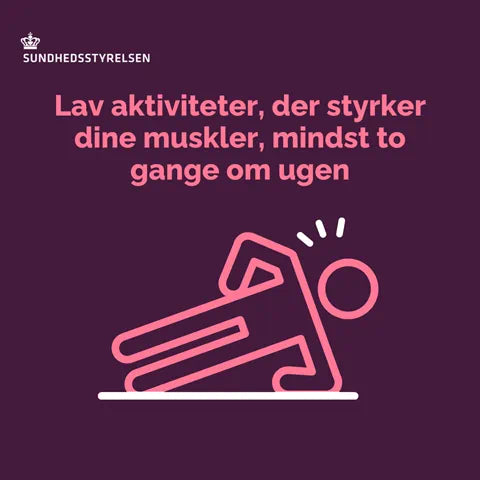
Muskelstyrke: Fysisk aktivitet, især vægtbærende øvelser som styrketræning, fremmer muskelvækst og styrke. Regelmæssig træning hjælper med at opbygge og vedligeholde muskelmasse, som reduceres med alderen, hvis man ikke er aktiv. Dette er især vigtigt for ældre voksne, da muskelsvind (sarkopeni) kan føre til nedsat funktionsevne og øget risiko for fald og skader.
-
Knoglesundhed: Vægtbærende aktiviteter, som gåture, løb eller styrketræning, hjælper med at opbygge og vedligeholde knoglemasse. Motion forbedrer knogletætheden og mindsker risikoen for osteoporose, en tilstand, hvor knoglerne bliver skrøbelige og mere tilbøjelige til at brække. Ved at være fysisk aktiv opretholder du knoglernes styrke og forhindrer knogledegeneration, som kan føre til alvorlige brud.
4. Fysisk Aktivitet Øger Livskvaliteten og Forlængelse af Livet
Fysisk aktivitet har også en betydelig indvirkning på livskvaliteten og kan hjælpe med at forlænge livet.
-
Forbedret livskvalitet: Regelmæssig fysisk aktivitet forbedrer ikke kun den fysiske sundhed, men også livskvaliteten ved at øge energiniveauet, forbedre mobilitet og fremme uafhængighed, især hos ældre voksne. Dette betyder, at folk kan opretholde en højere funktionsevne i dagligdagen, hvilket gør dem mere selvstændige og i stand til at engagere sig i sociale og fysiske aktiviteter.
-
Øget levetid: Der er en klar sammenhæng mellem fysisk aktivitet og en længere levetid. Ifølge en undersøgelse offentliggjort i The Lancet kan regelmæssig fysisk aktivitet som moderat intensitet, f.eks. rask gang, reducere dødeligheden med op til 30% (Lee et al., 2012).
5. Sundhedsstyrelsens Anbefalinger i Korrekt Kontekst
Sundhedsstyrelsen anbefaler, at alle voksne udfører minimum 30 minutters fysisk aktivitet om dagen, da dette niveau af aktivitet er tilstrækkeligt til at opnå de sundhedsmæssige fordele, vi har beskrevet. Det er ikke nødvendigt at udføre intens træning eller dyrke sport på elite-niveau. Let til moderat aktivitet som rask gang, cykling eller dans kan give de samme fordele.
Det er også vigtigt at påpege, at Sundhedsstyrelsen understøtter kombinationen af både aerob aktivitet og styrketræning som en optimal tilgang til sundhed. Aerob aktivitet (som gåture, løb eller svømning) styrker hjertet og kredsløbet, mens styrketræning hjælper med at opbygge muskelstyrke og opretholde knoglesundhed.
6. Hvordan Kommer Man I Gang?
Selvom det kan være svært at få startet med fysisk aktivitet, er det vigtigt at finde en aktivitet, du kan lide, og som passer ind i din daglige rutine. Start småt og opbyg gradvist din træning. Målet er at finde aktiviteter, der giver dig glæde og som er bæredygtige på lang sigt. Eksempler på aktiviteter kan være:
-
Gåture i naturen
-
Cykelture
-
Svømning
-
Dans
-
Styrketræning
Konklusion
Sundhedsstyrelsens anbefaling om 30 minutters fysisk aktivitet om dagen er en enkel, men effektiv strategi for at forebygge sygdomme, forbedre mental sundhed og fremme et længere og sundere liv. Videnskabelig forskning har tydeligt vist, at selv moderate mængder fysisk aktivitet kan have en dybtgående positiv indvirkning på vores sundhed. Så tag et skridt mod en sundere livsstil i dag, og begynd at inkorporere regelmæssig fysisk aktivitet i din daglige rutine.
Kilder:
-
Warburton, D. E., Nicol, C. W., & Bredin, S. S. (2006). Health benefits of physical activity: the evidence. Canadian Medical Association Journal, 174(6), 801-809.
-
Cuijpers, P., Weitz, E., Andersson, G., & van Straten, A. (2016). Psychological treatment of depression in adults: A meta-analysis of comparative effectiveness studies. Journal of Affective Disorders, 202, 511-518.
-
Friedenreich, C. M., et al. (2016). Physical activity and cancer prevention: a systematic review. European Journal of Cancer, 61, 107-114.
-
Lee, I. M., et al. (2012). Effect of physical inactivity on major causes of death in the United States. JAMA, 298(19), 2145-2152.



Leave a comment
This site is protected by hCaptcha and the hCaptcha Privacy Policy and Terms of Service apply.