

Du kan træne tre gange om ugen, følge et program og stadig stå det samme sted måned efter måned.
For mange føles det som om, det er træningen, der ikke virker. Men i praksis er det sjældent dér, problemet ligger. Træning er det, der sætter gang i udviklingen. Belastningen fortæller kroppen, at den skal blive stærkere. Men det er ikke træningen, der bygger noget op. Det er det, du gør resten af dagen.
Hvis din kost ikke understøtter det arbejde, du lægger i din træning, vil resultaterne enten udeblive eller gå markant langsommere, end de behøver.
Hvorfor kost er afgørende for din styrketræning
Kost er afgørende for styrketræning, fordi kroppen ikke kan bygge noget ud af ingenting.
Når du styrketræner, bryder du kroppen ned. Musklerne bliver belastet, og der opstår små skader i muskelfibrene, som kroppen efterfølgende reparerer og tilpasser sig fra. Det er den proces, der gør dig stærkere. Men kroppen kan kun gennemføre den proces, hvis den har noget at arbejde med.
Hvis energi og næring mangler, begynder kroppen at spare. Den nedprioriterer muskelopbygning og bruger i stedet ressourcerne på at holde dig kørende. Du kan godt gennemføre træningen, men der sker ikke rigtig noget af det.
Du kan ikke kompensere for dårlig kost med god træning. Den ene del kan ikke stå alene.
Et typisk eksempel er en person, der træner tre gange om ugen, men spiser tilfældigt i løbet af dagen. Måske springer man et måltid over, måske bliver det lidt for hurtigt og lidt for lidt. Træningen er der, men kroppen får aldrig de ressourcer, der skal til for at reagere på den. Resultatet er ofte det samme. Man føler, man gør det rigtige, men der sker ikke rigtig noget.
Derfor får du ikke resultater af din træning
Når kost og styrketræning ikke spiller sammen, er det sjældent fordi man gør noget åbenlyst forkert.
Det er de stille ting, der gentager sig. Man spiser lidt for lidt. Man får for lidt protein til at understøtte muskelopbygning. Man spiser "sundt", men ikke nok til at skabe fremgang. Eller der er ingen sammenhæng mellem hvornår man spiser og hvornår man træner.
Det kan godt føles som om, man gør det rigtige. Man vælger sunde råvarer og undgår det "usunde". Men kroppen er ligeglad med, om noget ser sundt ud. Den reagerer kun på, hvad den faktisk får, og om det er nok.
Det handler ikke om at spise perfekt. Det handler om at spise nok af det rigtige, konsekvent.
Hvad kroppen har brug for
Kost til træning behøver ikke at være kompliceret. I praksis handler det om nogle få grundlæggende ting, der skal være på plads, hvis kroppen skal reagere på din styrketræning.
Protein er det der bygger musklerne
Protein er det, kroppen bruger som byggemateriale, når den skal reparere og forstærke muskler efter træning. Uden protein er der ikke noget at bygge med, uanset hvor konsekvent din træning er.
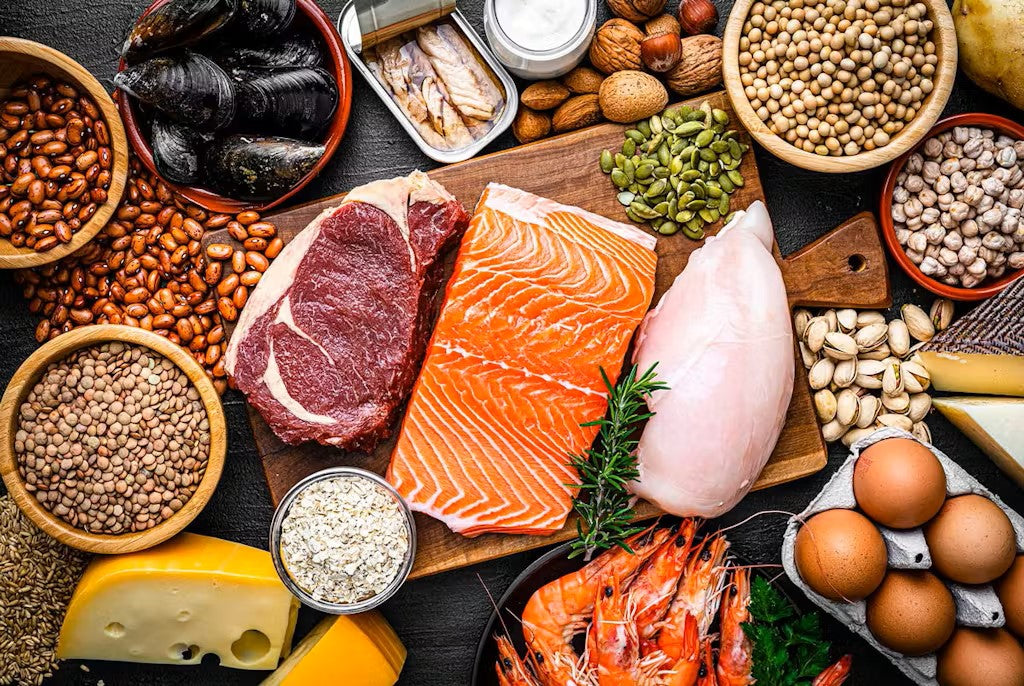
I praksis kommer protein fra helt almindelige fødevarer som æg, kylling, fisk, skyr og bælgfrugter. Det behøver ikke være avanceret, men det skal være tilstrækkeligt og fordelt over dagens måltider.
Hvis du vil have konkrete tal på, hvad der faktisk giver mening i forhold til din vægt og dit træningsniveau, kan du læse vores gennemgang af hvor meget protein du har brug for ved styrketræning.
Energi er det der gør arbejdet muligt
Kroppen har brug for energi for at præstere og restituere. Både under selve træningen og i timerne og dagene efter.
Hvis du ligger for lavt på energiindtaget, vil det påvirke, hvor meget du kan yde, og hvor godt kroppen kan komme sig bagefter. Mange oplever dette som at føle sig flade og tunge i stedet for stærkere, selvom de træner. Det er ikke nødvendigvis træningen, der er problemet. Det er brændstoffet.
Timing er først relevant når de basale ting er på plads
Der er meget fokus på, hvad man skal spise præcist efter træning, og om man rammer det rigtige vindue. Det kan give mening at få protein i forbindelse med træning, fordi kroppen er i gang med at reparere sig selv. Men timing ændrer ikke på det vigtigste. Hvis du ikke får nok over dagen, gør det ingen forskel, hvornår du spiser det.
For de fleste handler det mere om en stabil fordeling af måltider over dagen end om at ramme et bestemt tidspunkt præcist.
Hvad med kosttilskud?
Det er et af de spørgsmål, der oftest dukker op i forbindelse med kost og styrketræning: Er kosttilskud nødvendigt?
Det korte svar er nej. Ikke som udgangspunkt.
Proteinpulver er det tilskud, der er mest relevant for folk, der styrketræner, og det er i bund og grund bare en bekvem kilde til protein. Det er hverken specielt eller nødvendigt, men det kan være praktisk, hvis du har svært ved at nå dit proteinbehov gennem maden alene. Kreatin er et andet tilskud med dokumenteret effekt på styrke og muskelmasse, men det er et ekstra lag, og kun relevant, når det grundlæggende er på plads.
De fleste, der kigger på tilskud, mangler ikke et supplement. De mangler styr på maden.
Hvis du ikke konsekvent får nok protein fra din kost, hjælper et scoop proteinpulver ikke det store. Og hvis energiindtaget er for lavt, løser intet tilskud det. Start med maden, og vurder derefter, om der stadig er et hul.
Typiske fejl der holder dine resultater tilbage
Når kosten ikke spiller sammen med træningen, er det sjældent fordi man gør noget åbenlyst galt. Det er de stille ting, der gentager sig over tid.
En klassisk fejl er at spise "for sundt", men for lidt. Man vælger lette måltider, skærer ned på kalorier og springer snacks over, og ender med ikke at give kroppen nok energi til at udvikle sig.
En anden er at tro, at protein primært handler om shakes og tilskud. I praksis kommer langt det meste protein fra almindelig mad. Hvis det ikke er på plads, ændrer tilskud ikke ved problemet.
Mange springer også måltider over i løbet af dagen. Ikke nødvendigvis bevidst, men fordi hverdagen fylder. Resultatet er, at kroppen aldrig får en stabil tilførsel af energi og næring. Og så er der manglen på struktur. Man spiser lidt forskelligt fra dag til dag, uden at det hænger sammen med træningen. Det kan godt fungere i korte perioder, men over tid bliver det svært at skabe fremgang.
Kost og muskelopbygning hænger tættere sammen end de fleste tror
Træning sætter processen i gang. Kost afgør, om kroppen kan gennemføre den.
De to ting arbejder ikke parallelt, men de afhænger af hinanden. Det er netop den sammenhæng, der gør, at mange kan træne stabilt i lang tid uden at se den fremgang, de forventer. Ikke fordi træningen er forkert, men fordi kosten ikke følger med.
Hvis du vil forstå, hvad der faktisk driver muskelopbygning rent fysiologisk, og hvad der skal til for at kroppen reagerer på din træning, kan du gå mere i dybden i vores artikel om hvordan du opbygger muskelmasse.
Når det ikke hænger sammen i praksis
De fleste ved godt, hvad de burde gøre. De ved, at de skal have protein, spise regelmæssigt og få nok energi. Problemet er sjældent manglende viden.
Problemet er, at det ikke bliver gjort konsekvent.
I en travl hverdag er det her, det falder fra hinanden. Træningen bliver måske gennemført, men måltiderne bliver tilfældige. Nogle dage fungerer det, andre dage gør det ikke. Og det er nok til, at resultaterne udebliver.
Det er derfor, struktur betyder mere end perfektion. Hvis du mangler en måde at få kost og træning til at hænge ordentligt sammen i praksis, kan det give mening at arbejde med en fast ramme. I JAAFIT træningsappen finder du en samlet kostplan med konkrete måltider og opskrifter, der er lavet til at understøtte din træning i hverdagen uden at det skal opfindes fra gang til gang.
Derfor handler resultater ikke kun om træning
De fleste leder efter den næste øvelse, det næste program eller den næste metode.
Men i praksis er det sjældent det, der mangler. Resultater opstår, når de grundlæggende ting hænger sammen. Når træning, kost og struktur arbejder i samme retning, og når det bliver gentaget over tid.
Hvis din træning er på plads, men resultaterne udebliver, er det værd at kigge på, om kosten faktisk understøtter det arbejde, du lægger i. Med et setup som JAAFIT PRO hjemmetræningssæt kan du skabe den belastning, kroppen har brug for. Men det er kosten, der afgør, om kroppen kan reagere på den.
Du kan finde flere guides om træning, kost og struktur i vores blogunivers.



Leave a comment
This site is protected by hCaptcha and the hCaptcha Privacy Policy and Terms of Service apply.